
A deck is often where a Northern Virginia home earns its best hours – weekend dinners under the trees, quiet coffee before the day begins, and room for family gatherings that do not fit around an indoor table. When weighing composite decking versus wood decking, the right choice is not simply the material with the lowest initial price or the fewest chores. It is the material that suits your home’s architecture, your expectations for upkeep, and the way you want the space to feel for years to come.
For homeowners planning a refined outdoor living space, both materials can be excellent. The distinction lies in their long-term character. Wood offers warmth and natural variation that cannot be manufactured. Composite offers exceptional consistency and freedom from the recurring maintenance that can slowly turn a beautiful deck into another household obligation.
Composite Decking Versus Wood Decking: The Essential Difference
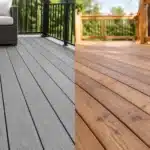
Wood decking is typically built from pressure-treated pine, cedar, redwood, or a premium hardwood. Each board is a natural material, with grain movement, color variation, and an organic texture beneath bare feet. It can be stained in a wide range of tones and refinished when a homeowner wants a new look.
Composite decking is made from a blend of wood fibers and recycled plastic, usually protected by a durable outer cap. Quality composite boards are engineered to resist moisture, fading, staining, and insect damage. They are available in convincingly textured finishes, from cool gray tones suited to contemporary homes to richer brown shades that complement traditional exteriors.
Neither material is universally better. A historic or classically detailed home may call for the authenticity of real wood. A busy household that wants a polished outdoor setting without annual sealing may see composite as the more practical luxury.
Initial Cost Is Only Part of the Investment
Pressure-treated lumber is generally the least expensive decking material at installation. For a homeowner with a limited immediate budget, it can create an attractive and functional deck without the higher upfront cost of composite boards. Cedar, redwood, and hardwood decking increase the material investment considerably, especially when selected for their appearance and durability.
Composite decking costs more at the outset, and premium lines can represent a meaningful difference in a project budget. Installation details also matter. Hidden fasteners, picture-frame borders, stair finishes, lighting, railings, and structural upgrades often influence the total cost as much as the decking surface itself.
The more useful question is what the deck will cost over its expected life. Wood generally needs periodic cleaning, staining or sealing, and occasional board replacement. Those expenses may be manageable when the homeowner enjoys hands-on maintenance, but they should be accounted for honestly. Composite typically requires only washing with soap and water, so its higher initial price can become more favorable over a longer ownership period.
A well-planned deck should also be evaluated as part of the property. In communities where outdoor entertaining and polished curb appeal matter, a premium, low-maintenance deck can support the overall perception of a cared-for home. It is not a guarantee of a specific resale return, but it can be a strong feature when thoughtfully integrated with the house and landscape.
Maintenance Changes the Ownership Experience
The maintenance difference is where many homeowners make their decision. A wood deck needs attention because weather is relentless. Sun can dry and fade boards. Rain and humidity can encourage mildew. Seasonal temperature swings may cause boards to expand, contract, cup, or split. Pressure-treated lumber is designed to resist decay, but it is not maintenance-free.
Most wood decks benefit from annual cleaning and a new protective finish every few years, depending on exposure and the product used. Neglect can lead to splinters, loose fasteners, surface checking, and discoloration. This does not make wood a poor choice. It simply means wood rewards owners who are willing to care for it.
Composite is designed for a more relaxed ownership experience. It will not require staining, sealing, or sanding, and it is far less likely to develop splinters or suffer insect damage. Capped composite products offer meaningful protection from everyday spills, which is valuable around grills, children, and outdoor dining areas.
Composite still deserves basic care. Pollen, leaves, and dirt should not be allowed to collect between boards or against the structure, where moisture can linger. Homeowners should use cleaning products approved for their specific decking line and address food or grease spills promptly. Low maintenance is not no maintenance, but the difference in time and effort is substantial.
Appearance, Texture, and Architectural Fit
Wood has an appeal that is deeply visual and tactile. Its grain is genuine, its color develops naturally, and no two boards are exactly alike. For a home with traditional brick, painted millwork, or a wooded setting, stained cedar or hardwood can create a particularly graceful connection to the landscape.
Its drawback is that this natural beauty changes. Some homeowners appreciate the gradual silvering and weathered character of wood. Others find the fading uneven or feel frustrated when a deck’s original color disappears after a few seasons. Staining restores the finish, but it also becomes a recurring commitment.
Composite delivers a more consistent appearance across the deck. High-quality products now offer multi-tonal coloring and embossed grain patterns that look more sophisticated than the early generation of composite boards. This makes composite especially compelling for homeowners who prefer clean lines, coordinated finishes, and a deck that retains its intended color with minimal intervention.
The best choice should respect the home rather than follow a trend. A warm brown composite may complement a Colonial-style residence beautifully, while a cool contemporary gray can elevate a modern addition or pool terrace. Board direction, border detailing, stair design, and railing selection often have as much influence on the final impression as the decking material itself.
Comfort and Performance in Northern Virginia Weather
Northern Virginia brings humid summers, wet springs, falling leaves, freeze-thaw cycles, and strong sun exposure. Both wood and composite can perform well when the deck is properly designed and installed, but each responds differently to those conditions.
Wood can feel more natural underfoot and may remain more comfortable in direct sun than some darker composite colors. It is also easier to repair discreetly: an individual damaged board can often be replaced and blended with a fresh coat of stain. However, wood’s exposure to moisture makes details such as flashing, drainage, ventilation, and the gap between boards essential to its longevity.
Composite handles moisture exceptionally well and is highly resistant to rot. It can be an excellent option near pools, shaded areas, and outdoor kitchens where spills and damp conditions are common. Dark composite boards can become quite warm in full sun, though, so color selection should be considered carefully for a south- or west-facing deck. Lighter colors and shaded zones can make a noticeable difference in summer comfort.
One important point: the deck boards are only one part of the system. A premium surface cannot compensate for undersized framing, inadequate footings, poor drainage, or improper ledger attachment. The structure beneath the deck deserves the same level of craftsmanship as the finish above it.
When Wood Is the Better Choice
Wood may be the right fit if authentic natural material is central to your vision, if you want the flexibility to change stain colors over time, or if the project calls for a lower initial investment. It also makes sense for homeowners who enjoy maintenance as part of caring for their property or who are restoring a home where real wood is architecturally appropriate.
Choose a species and finish strategy that align with the level of care you are prepared to provide. A wood deck can remain beautiful for many years, but only with consistent attention.
When Composite Is the Better Choice
Composite is often the stronger choice for homeowners who prioritize long-term durability, predictable appearance, and minimal maintenance. It is particularly well suited to large entertaining decks, elevated decks that are harder to maintain, and homes where the outdoor space is intended to feel finished and ready for use rather than like a seasonal project.
For many busy families and professionals, the value is simple: more time enjoying the deck and less time restoring it. That convenience is especially attractive when the deck is part of a larger investment in an outdoor kitchen, covered porch, patio, or landscaped backyard retreat.
Design the Deck Around How You Live
The most successful decking decision begins with lifestyle, not a sample board. Consider whether the space will host large gatherings, whether it receives intense afternoon sun, how much privacy or shade it needs, and whether you want the deck to mature naturally or maintain a consistent finish. Those answers guide material selection, but they also shape the right layout, railing, lighting, and connection to the home.
A careful design-build approach brings those choices together before construction begins. With the right material and thoughtful detailing, a deck becomes more than an exterior upgrade. It becomes a composed extension of the home – one that invites you outside more often and makes every season feel a little more usable.