
A faded exterior can be a cosmetic concern. Soft trim, warped boards, recurring paint failure, or drafts near exterior walls are different signals entirely. Quality siding installation protects the structure behind your home’s façade while giving the property a more refined, intentional appearance. For Northern Virginia homeowners, where humid summers, wind-driven rain, freeze-thaw cycles, and seasonal temperature swings all affect exterior materials, the work beneath the finished surface matters as much as the siding you see.
A well-planned exterior renovation should make a home feel renewed without looking disconnected from its architecture. That requires more than selecting a color from a sample board. It requires careful evaluation, sound material choices, and installation details that manage water properly for years to come.
What Professional Siding Installation Should Address
Siding is part of a complete exterior wall system. Its visible role is to enhance curb appeal, but its practical job is to shed water, protect the wall assembly, and work in concert with flashing, trim, soffits, gutters, and ventilation. Replacing siding without examining these connected elements can conceal a problem rather than solve it.
The first stage should be an honest assessment of the existing exterior. A contractor may find localized damage around windows, rooflines, hose bibs, or doors, where water has had repeated opportunities to enter. In older homes, there may also be deteriorated sheathing, insufficient flashing, poorly integrated additions, or trim details that no longer perform as intended. Addressing these conditions before new siding is installed protects the investment and avoids the frustration of covering compromised materials with premium finishes.
The right scope depends on what the home needs. Some properties require full replacement because aging materials have reached the end of their useful life. Others may benefit from targeted repairs combined with a broader exterior update. A thoughtful recommendation distinguishes between these situations instead of treating every home as the same project.
Choosing a Siding Material for Your Home
Material selection should balance appearance, maintenance expectations, budget, and the home’s architectural character. There is no single best choice for every property.
Vinyl siding remains a practical option for homeowners who want a clean, low-maintenance exterior at a more moderate investment level. Modern profiles and colors offer greater design flexibility than earlier generations of vinyl, though quality varies significantly. Proper installation is especially important because vinyl expands and contracts with temperature changes. If it is fastened too tightly or detailed poorly, panels can buckle, rattle, or appear uneven.
Fiber cement siding offers a more substantial appearance and can complement Colonial, Craftsman, traditional, and transitional homes beautifully. It is valued for its durability, dimensional stability, and resistance to insects and rot. It also requires precise handling, correct clearances from roofs and grade, and careful attention to painting and caulking requirements. The initial cost is often higher than vinyl, but the finished look and long-term performance can make it a strong fit for homeowners planning to remain in their homes for many years.
Engineered wood siding can provide the warmth and texture associated with wood while offering improved resistance to moisture and insects when installed and maintained correctly. It may be an appealing choice for a home where architectural detail is central to the design. Natural wood remains a distinctive premium option as well, although it demands a greater commitment to ongoing maintenance and finish renewal.
Color deserves the same level of consideration as material. A deep, modern tone can create striking contrast against stone or brick, while a lighter neutral palette may preserve a home’s classic character. Samples should be reviewed outdoors and at different times of day. Northern Virginia’s tree cover and changing daylight can make a color read very differently on the wall than it does in a showroom.
The Details That Determine Exterior Performance
Exceptional siding installation is often defined by details homeowners may never notice after the project is complete. That is exactly the point. A finished exterior should look calm, aligned, and durable because the underlying work was planned correctly.
Water management begins with a weather-resistant barrier installed over properly prepared wall surfaces. Flashing must direct water outward at windows, doors, horizontal transitions, roof-to-wall intersections, and penetrations. These elements need to be layered in the correct sequence so water travels over the layers below it rather than behind them. Caulk is useful where appropriate, but it is not a substitute for sound flashing design.
Trim creates the framework for the siding field and strongly influences the final appearance. Window and door surrounds, corner boards, frieze boards, and transitions to masonry should be proportioned to suit the home. Thin or mismatched trim can make an otherwise high-quality material look unfinished. Well-considered trim, by contrast, gives the exterior visual depth and helps a renovation feel original to the home.
Ventilation also deserves attention. Soffit and roof ventilation contribute to the health of the attic and roof system, while carefully placed vents and accessories should complement the siding layout instead of interrupting it carelessly. Gutters, downspouts, and drainage at the foundation should be reviewed at the same time. New siding cannot solve water that is repeatedly being deposited against the house.
A Clear Process Makes the Project Easier
Exterior work is visible, weather-sensitive, and disruptive in a way that interior projects are not. Clear communication and dependable project management make a meaningful difference in the homeowner experience.
A strong process begins with a consultation that considers your goals, concerns, budget, and timeline. The planning phase should define material selections, trim profiles, color direction, repair allowances, and any related work such as shutters, exterior lighting, gutters, or porch improvements. When these decisions are made early, the construction phase can move forward with fewer surprises.
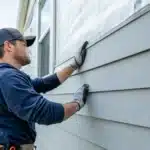
During installation, the crew should protect landscaping, walkways, and exterior features as reasonably possible. Removal of existing materials often reveals conditions that were not visible beforehand, particularly around openings and transitions. If repairs are needed, the contractor should explain what was found, why it matters, and how the proposed work affects cost and schedule. Homeowners should never be left guessing about a change in scope.
The final stage includes detail review, cleanup, and confirmation that trim, transitions, and accessories meet the agreed design. This is also the time to understand care requirements, finish warranties, and the appropriate way to maintain your new exterior.
When Replacement Is Worth Considering
Siding does not always fail all at once. Small warning signs can build gradually until repairs become less economical than a full replacement. Repeated moisture damage, widespread cracking or warping, loose panels, persistent mildew, peeling paint that returns soon after refinishing, and rising maintenance demands all warrant a professional assessment.
Replacement can also be a strategic improvement rather than a reaction to damage. If a home’s exterior feels dated, poorly coordinated, or inconsistent after previous additions and repairs, a unified siding and trim plan can transform its presence from the street. For homeowners considering a future sale, it may also strengthen first impressions and signal that the property has been carefully maintained. Return on investment varies with material, neighborhood expectations, and the home’s overall condition, so the goal should be lasting value rather than a cosmetic shortcut.
Questions to Ask Before You Commit
Before selecting a contractor, ask how the existing wall condition will be evaluated and what happens if hidden damage is discovered. Ask which flashing and weather-barrier details are included, how trim and transitions will be handled, and whether the proposed material is appropriate for your home’s design and maintenance preferences.
It is equally reasonable to ask who will manage the work, how communication will be handled, and what workmanship coverage is provided. The lowest estimate can become expensive if it omits critical repairs, uses lower-grade accessories, or leaves details unresolved. A complete proposal may cost more upfront while providing greater clarity and fewer unwelcome decisions once the exterior is open.
For Fairfax and Chantilly homeowners, MasterWorks Remodeling approaches exterior improvements as part of the home’s larger design and performance story. The aim is not simply to install new panels, but to create a polished exterior that protects the investment behind it.
The most rewarding siding project begins with a careful look at the home you already have: its architecture, its vulnerabilities, and the way you want it to feel when you arrive each day. With the right material and craftsmanship in place, the result can be a more beautiful home and a more dependable one.