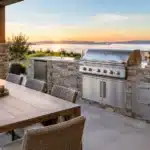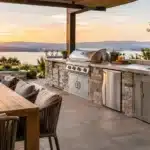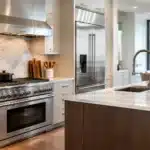

A beautiful patio can still feel unfinished when every meal requires a trip back through the house. Outdoor kitchens change that rhythm. With the right plan, they create a natural destination for weeknight grilling, relaxed family dinners, and polished entertaining without separating the host from the gathering.
For Northern Virginia homeowners, the best outdoor kitchen is rarely the one with the longest appliance list. It is the one that works gracefully with the architecture of the home, the way the family entertains, and the realities of four-season weather. Thoughtful design turns an exterior upgrade into an extension of everyday living.
Start With How You Want to Use the Space
The first design question is not whether to choose a gas grill or a pizza oven. It is how the space should serve your household. A family that hosts large weekend gatherings needs more serving area, guest seating, and circulation than a couple seeking a quiet place to prepare dinner outdoors. Both deserve a refined result, but their layouts will be very different.
Consider where people naturally gather now. If guests tend to stay near the patio doors, a kitchen positioned too far into the yard can isolate the cook. If the outdoor living area overlooks a pool or garden, orienting the grill and seating toward that view may make more sense. A well-planned design keeps preparation, cooking, serving, and conversation connected without making the space feel crowded.
It also helps to distinguish between occasional entertaining and routine use. A compact grilling station with counter space, storage, and task lighting may be ideal for a household that cooks outside twice a week. A more complete kitchen with refrigeration, a sink, bar seating, and multiple cooking zones can be worthwhile when outdoor entertaining is central to the home.
Outdoor Kitchens Need a Layout, Not Just Appliances
Appliances attract attention, but layout determines whether the kitchen is enjoyable to use. The grill needs generous landing space on both sides for trays, tools, and finished food. Refrigeration should be accessible without requiring guests to cross the cook’s work zone. A sink is especially useful when the kitchen will handle food preparation rather than grilling alone.
A simple linear arrangement can work beautifully along an exterior wall, particularly on a smaller terrace. L-shaped and U-shaped configurations offer more counter space and better separation between cooking and serving. For larger patios, an island can create an inviting social center, although it requires adequate clearances around all sides. There should be room for someone to open an appliance door, pass behind a seated guest, and move safely around a hot grill.
The connection to the indoor kitchen matters, too. Locating outdoor cooking near an existing kitchen often makes service easier and can simplify utility planning. That said, proximity should not override comfort. Smoke, heat, and grill traffic near a frequently used doorway can become frustrating if the layout is not carefully considered.
Create Clear Zones for Cooking and Gathering
The strongest outdoor spaces generally separate active cooking from relaxed seating while keeping both within easy conversation distance. A bar counter can provide that boundary, giving guests a place to sit with a drink while preserving the cook’s workspace. It also makes the outdoor kitchen feel purposeful rather than like a collection of appliances placed along a wall.
If the space includes a dining area, allow a comfortable path between it and the cooking station. The goal is not to replicate a restaurant kitchen outdoors. It is to make hosting feel effortless, with practical areas for preparation and cleanup alongside places where people want to linger.
Select Materials Built for Northern Virginia Weather
An outdoor kitchen must withstand sun, rain, humidity, freeze-thaw cycles, and regular cleaning. Materials that look striking on installation day but require constant maintenance can diminish the pleasure of the investment.
Stone veneer, masonry, stucco, and high-quality porcelain surfaces can each create a tailored appearance when selected for exterior use and installed correctly. Natural stone offers character and permanence, but its porosity and sealing requirements should be understood before selection. Porcelain is often an excellent choice for homeowners who want a refined look with strong stain, moisture, and temperature resistance.
For cabinetry, stainless steel and weather-rated polymer options are reliable choices. Stainless steel suits a contemporary design and stands up well to the elements, though it can show fingerprints and may feel visually cool without warmer surrounding finishes. Weather-rated cabinetry offers broader color and style options, helping an outdoor kitchen relate more closely to the home’s existing architecture.
Countertops deserve particular attention. Outdoor-rated granite, porcelain, and certain sintered stone products can perform well, but not every slab material belongs outside. Dark surfaces may become uncomfortably hot in full afternoon sun, while highly textured finishes can make cleaning more difficult. The right choice balances appearance, exposure, and how much maintenance the homeowner is willing to accept.
Plan Utilities and Safety Early
A premium outdoor kitchen is built from the infrastructure outward. Gas lines, electrical service, water supply, drainage, ventilation, and appliance clearances should be addressed before final materials are selected. Trying to add these elements after construction has begun can limit options and add avoidable cost.
Natural gas is convenient for homeowners who grill frequently, while propane may be appropriate when extending a gas line is impractical. The decision depends on site conditions, local requirements, and desired appliances. A built-in grill, side burner, fire feature, and outdoor heater can place meaningful demand on the gas system, so capacity needs careful evaluation.
Electrical planning should account for more than a refrigerator. Task lighting, outlets, speakers, fans, landscape lighting, and charging stations all affect the experience of the space. GFCI-protected outlets, properly rated fixtures, and code-compliant installation are essential. Water and drainage require equally careful coordination, particularly if the kitchen includes a sink, ice maker, or bar area.
Fire safety cannot be an afterthought. Grills need appropriate clearances from combustible materials, and enclosed or covered structures may require additional ventilation and protection. A professional design-build team can coordinate these details so the finished space is both beautiful and dependable.
Add Comfort That Extends the Season
The difference between a patio kitchen and a favorite gathering place is often comfort. Shade structures, covered roofs, pergolas, and screened enclosures each offer distinct benefits. A covered roof provides the strongest protection from rain, while a pergola can preserve an open-air feeling and define the kitchen area with architectural interest.
Lighting should be layered rather than treated as a single fixture over the grill. Bright task lighting supports safe food preparation. Softer ambient lighting around seating, steps, and pathways creates warmth after sunset. Under-counter lighting can add a subtle luxury detail while improving nighttime visibility.
Ceiling fans, radiant heaters, and a well-placed fire feature can make spring and fall evenings more inviting. These additions are especially valuable in Fairfax and Chantilly, where changing seasons make flexibility more useful than a design focused only on peak summer weather. Privacy planting, screens, or architectural panels can also improve the sense of retreat without closing off the yard.
Let the Design Belong to the Home
An outdoor kitchen should feel like it was always part of the property. That does not mean copying every interior finish outside. It means carrying through the home’s visual language in a way that makes sense for the exterior. A traditional brick home may call for stone, warm metals, and tailored millwork-inspired details. A contemporary residence may suit clean-lined cabinetry, large-format porcelain, and restrained lighting.
Scale is equally important. An oversized kitchen can overwhelm a modest patio, while a small grill station can feel underbuilt beside a generous pool terrace or covered pavilion. The most successful projects use proportion, finish selection, and landscape integration to create a cohesive transition from indoors to out.
MasterWorks Remodeling approaches outdoor living with this larger view in mind: the kitchen, hardscape, shelter, lighting, and connection to the home should read as one considered design. That coordination helps protect the investment while giving homeowners a clearer path from early ideas to final detailing.
A well-designed outdoor kitchen does more than make entertaining easier. It gives the home another place to gather, celebrate, and settle into the everyday moments that make a property feel truly personal.