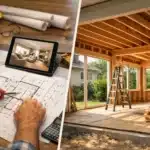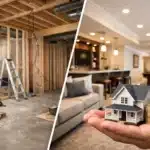

A kitchen addition, whole-home renovation, or primary bathroom transformation can begin with the same question: who should lead the work? The design build vs general contractor decision shapes far more than who arrives at your door first. It affects when you make key decisions, how reliably the budget reflects the final vision, and how many separate relationships you need to manage during a major remodel.
For Northern Virginia homeowners investing in a refined, lasting improvement, the best choice is not always the same. It depends on the complexity of the project, the clarity of your vision, and the level of coordination you want from the first sketches through final detailing.
Design Build vs General Contractor: The Core Difference
A general contractor is primarily responsible for construction. They coordinate labor, order materials, manage the job site, and carry out work based on plans and specifications that have already been developed. In a traditional arrangement, a homeowner hires an architect or designer first, completes the design process, then seeks bids from general contractors. The selected contractor builds from those plans.
A design-build firm brings design and construction together under one accountable team and agreement. Designers, estimators, project managers, and craftspeople collaborate from the beginning, rather than entering the process one after another. The construction perspective informs design decisions early, while the design intent remains visible throughout construction.
Neither path is automatically superior. A homeowner who already has complete architectural drawings and enjoys managing separate professional relationships may be well served by a general contractor. A homeowner planning a substantial remodel with evolving needs, detailed finish selections, or structural changes often benefits from the continuity of design-build.
How the Two Processes Feel to a Homeowner
The traditional contractor route is usually sequential. You begin by finding a designer or architect, work through plans, obtain engineering and permits as required, and then invite contractors to price the finished package. Once construction begins, the contractor becomes the operational lead, but design questions may still require input from the original designer or architect.
This structure can create a clean competitive bidding process when the plans are highly detailed and every bidder is pricing the same scope. It also gives homeowners the freedom to select each professional independently. For some projects, particularly straightforward renovations with an established design, that freedom is valuable.
The challenge is that drawings can represent an idealized solution without fully accounting for current material pricing, lead times, field conditions, or the practical sequence of construction. If the design exceeds the intended investment range, redesign may be necessary after bids arrive. That can add time and create frustration just as the project should be gaining momentum.
In a design-build process, budgeting begins while the design is still taking shape. The team can discuss the cost implications of enlarging an opening, relocating plumbing, choosing custom cabinetry, or specifying a particular stone before those choices become fixed. If a decision pushes beyond the desired range, the conversation happens in real time, with alternatives that preserve the overall character and function of the space.
For homeowners balancing busy careers, family schedules, and the demands of living through a renovation, one point of contact is often a meaningful advantage. Questions do not need to move through separate companies before an answer can be found. The same team that understands the vision is accountable for delivering it.
Budget Certainty Is About Scope, Not Just Price
It is tempting to compare the lowest contractor bid with a design-build proposal and assume the lower figure represents greater value. In remodeling, that comparison is only useful when the scope, allowances, quality standards, and site assumptions are truly equivalent.
A general contractor’s initial bid may be lower because certain decisions remain open, allowances are modest, or unforeseen conditions have not been addressed. That does not indicate poor intent. Older homes regularly reveal concealed plumbing issues, uneven framing, aging electrical systems, or water damage once walls are opened. The homeowner should understand how each contractor handles these discoveries and how change orders are documented.
Design-build firms are not immune to unforeseen conditions, and reputable teams will never promise that a concealed condition cannot affect cost. Their advantage is earlier collaboration. A thorough existing-conditions review and detailed preconstruction phase can reduce avoidable surprises. More importantly, the team can develop a realistic scope before construction commitments are made.
Ask any prospective partner to explain what is included, what remains an allowance, and what could change after demolition. Clear answers matter more than a polished estimate. Premium remodeling deserves financial transparency, not vague reassurances.
Design Quality and Craftsmanship
A talented general contractor can produce exceptional work, especially when paired with a strong architect or interior designer. This route may be a good fit for homeowners pursuing a highly specialized architectural vision or working with a designer they have known for years. The key is a disciplined handoff between the design team and the construction team.
That handoff is where details can be lost. A drawing may show a flush transition, a custom storage wall, or a dramatic lighting plan, but the final result depends on constructability, measurements, trade coordination, and careful field supervision. When design and construction operate separately, questions can multiply at exactly the point when changes are most disruptive.
In a well-run design-build firm, the design is developed with the people responsible for building it. The cabinet layout considers actual appliance clearances. The bathroom plan accounts for framing, plumbing access, waterproofing, and tile layout. Exterior enhancements consider how new finishes meet existing siding, roofing, drainage, and trim. These conversations help renovated spaces feel integrated with the original home rather than added on afterward.
Still, homeowners should evaluate the specific firm, not just the label. The term design-build is used broadly. Look closely at the quality of completed projects, the depth of the planning process, the experience of the project management team, and the consistency of communication promised before a contract is signed.
Communication and Accountability During Construction
Remodeling is personal. Your home is not a commercial job site, and the experience matters alongside the finished result. A strong contractor provides schedules, protects the home, coordinates trades, responds promptly to questions, and keeps the work area as orderly as possible. Those are baseline expectations in either delivery model.
The difference is often accountability when decisions cross disciplines. If a construction issue affects the design, a traditional project may require the homeowner, contractor, and designer to decide who revises the plan and how the change affects price and schedule. With design-build, that discussion happens inside one team. The homeowner still approves important choices, but does not have to serve as the bridge between separate parties.
For a kitchen remodel or finished basement, that coordination can prevent small details from becoming larger delays. For an addition involving zoning review, structural engineering, multiple trades, and exterior integration, it can be especially valuable. MasterWorks Remodeling uses this collaborative approach to keep design decisions, craftsmanship, and project management aligned around the homeowner’s priorities.
When a General Contractor May Be the Better Choice
A general contractor can be the right fit when your plans are complete, selections are clearly specified, and you want contractors to compete on an identical scope. It can also work well when you have an established architect or designer who will remain actively involved through construction and who has experience coordinating with contractors.
This path requires more homeowner participation. You may need to manage communication among professionals, make sure questions are answered promptly, and verify that revisions are reflected in both drawings and pricing. If that level of involvement appeals to you and the project is well defined, a traditional structure can provide flexibility.
The most productive question is not whether a general contractor is capable. It is whether the project team, contractual structure, and communication plan give you confidence before work begins.
When Design-Build Offers the Stronger Fit
Design-build tends to be particularly well suited to homeowners who want a guided process from early ideas through completion. It is valuable when the scope is still taking shape, when a home has complex existing conditions, or when the renovation includes interdependent decisions across layout, engineering, finishes, and construction.
It is also a natural fit for clients who value a tailored experience and prefer one trusted team to coordinate the details. That does not mean giving up your voice. A good design-build relationship is deeply collaborative. You establish how the space should support your daily life, entertain guests, accommodate a growing family, or serve you comfortably for years to come. The team translates those priorities into a practical, beautiful plan.
Before choosing either path, request a detailed conversation about process rather than focusing only on a preliminary price. Ask who will guide design, who manages the site each day, how selections are documented, how changes are approved, and how the schedule will be communicated. The right remodeling partner will welcome those questions and answer them with specificity.
A thoughtful renovation starts with more than a compelling idea. It starts with a delivery approach that gives that idea the planning, craftsmanship, and care required to become part of your home for the long term.