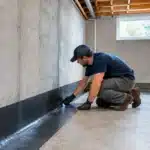

A finished basement should feel like a natural extension of the home, not a space homeowners monitor after every heavy rain. The most effective basement moisture prevention methods begin before new flooring, cabinetry, or wall finishes are selected. They address where water originates, how it moves around the foundation, and how indoor humidity is managed once the space is complete.
For Northern Virginia homeowners, this planning matters. Seasonal downpours, humid summers, freeze-thaw cycles, and clay-heavy soils can all place added pressure on foundation walls and below-grade spaces. A refined basement renovation is only as dependable as the moisture-control strategy behind it.
Start With the Source of the Moisture
Basement dampness is a symptom, not a diagnosis. Water may enter through cracks in the foundation, move through porous concrete, collect at poorly graded exterior walls, or form as condensation when warm, humid air meets cool basement surfaces. Each source calls for a different solution.
Before planning a basement remodel, look for the timing and location of the issue. Does moisture appear after prolonged rain? Does a musty odor become noticeable in summer? Is there white, chalky residue on masonry walls, peeling paint, warped trim, or staining near the floor? These details help determine whether the concern is primarily exterior drainage, groundwater pressure, plumbing, air movement, or a combination of factors.
A professional evaluation should also consider the home as a complete system. A basement may be dry at the wall but still feel damp because an undersized HVAC system is not removing enough humidity. Conversely, a dehumidifier can improve comfort, but it cannot solve water entering through a failed exterior drainage path.
Exterior Drainage Is the First Line of Defense
The most valuable moisture-prevention work often happens outside. Keeping water away from the foundation reduces hydrostatic pressure, which is the force that pushes groundwater against basement walls and floors. It also protects the finishes and structure homeowners have invested in.
Grade the Landscape Away From the Home
Soil should slope away from the foundation so rainwater naturally moves outward rather than pooling along the house. Over time, mulch beds settle, landscaping changes, and patios or walkways can redirect water in unexpected ways. A low area beside the foundation may look minor on a dry day yet become a persistent source of seepage during storms.
Regrading is not always a large landscape project. In some cases, correcting a localized low spot and maintaining adequate clearance between soil and siding makes a meaningful difference. The right approach depends on the home’s lot, drainage patterns, mature landscaping, and existing hardscape features.
Maintain Gutters and Downspouts
Overflowing gutters release a surprising volume of water directly next to the foundation. Gutters should be clear, properly pitched, securely fastened, and sized for the roof area. Downspouts need to discharge well away from the home, ideally to a location where water can continue moving downhill without affecting a neighboring property or walkway.
Extensions are practical, but they should not create a tripping hazard or leave standing water near a patio. For a more polished long-term solution, concealed drainage piping may carry roof runoff to an appropriate outlet. This is especially worthwhile when a basement renovation includes premium finishes that deserve a higher level of protection.
Address Hardscape and Window Wells
Patios, stoops, driveways, and walkways should direct surface water away from the house. A beautiful outdoor living space can create a basement issue if its slope has been altered without a drainage plan. Where appropriate, channel drains, carefully placed swales, or other site-specific measures can manage runoff while preserving the intended appearance of the exterior.
Basement window wells also require attention. They should be clean, drained, and fitted with secure covers that limit debris and direct rain entry while allowing light into the room. If a window well repeatedly fills with water, the solution may involve drainage correction rather than simply replacing the cover.
Choose the Right Foundation Protection
Not every foundation needs the same level of intervention. A small, stable crack with no active water intrusion may be addressed differently than widespread seepage or a basement with a high water table. The goal is not to overbuild a solution. It is to select a durable system that matches the actual conditions.
Exterior waterproofing is generally the most comprehensive approach when excavation is practical. It can include repairing wall defects, applying a waterproof membrane, and installing drainage components that guide groundwater away from the foundation. Because it addresses water before it reaches the wall, exterior work is often preferred for significant or recurring infiltration.
Interior drainage systems can be an excellent option when exterior access is limited or when water is entering through the floor-wall joint. These systems collect water at the perimeter and route it to a sump basin for removal. They manage water effectively, but they do not replace sound exterior grading and gutter performance. The best results often come from combining sensible exterior maintenance with an interior collection system where conditions warrant it.
Crack injection can be appropriate for isolated foundation cracks, particularly when the crack is well understood and structurally stable. It is not a universal waterproofing strategy. If cracking is active, extensive, or accompanied by signs of movement, a qualified structural assessment should come before cosmetic repair or basement finishing.
A Reliable Sump Pump Needs a Backup Plan
For homes that depend on a sump pump, the pump is a critical piece of the moisture-control system. It should be correctly sized, installed in a properly configured basin, and tested regularly. Its discharge line must send water far enough from the house that it does not return to the foundation.
Power outages often occur during the same storms that place the greatest demand on a sump pump. A battery backup or water-powered backup, where feasible, adds meaningful protection. Homeowners should also consider an alarm that provides an alert if the water level rises or the pump fails to activate.
Routine testing is simple but frequently overlooked. Pour water into the basin, confirm that the float activates the pump, and verify that discharge occurs where expected. A system that has sat unused for months deserves attention before the next severe-weather season.
Control Humidity Before Finishes Go In
Even a basement with no visible leak can develop mold, odors, and material damage if relative humidity remains high. In a finished space, comfort and durability generally improve when humidity is kept in a controlled range, often around 40 to 50 percent depending on the season and the home’s conditions.
A dedicated dehumidifier may be appropriate for many basements, particularly if it can drain automatically rather than requiring frequent emptying. For larger finished areas, integrating moisture management with the home’s HVAC design can provide more consistent results. Proper supply and return air paths matter, as does avoiding a design that leaves enclosed rooms with stagnant air.
Insulation and wall assembly choices deserve equal care. Below-grade walls should not be finished as though they are above grade. Materials should be selected and installed to limit condensation risk and allow the assembly to perform in a cooler, more moisture-sensitive environment. This is one reason a design-build team should establish the moisture plan before framing begins, not after drywall is scheduled.
Basement Moisture Prevention Methods for a Remodel
When a homeowner is preparing to finish or renovate a basement, moisture protection should be built into the project scope from the outset. It is far less disruptive and more cost-effective to address drainage, vapor control, and mechanical needs before refined finishes conceal the structure.
A well-planned sequence typically includes these priorities:
- Evaluate the foundation, exterior grading, gutters, downspouts, and window wells before finalizing the basement layout.
- Resolve active water entry, drainage deficiencies, plumbing leaks, and sump-pump concerns before installing framing or flooring.
- Design wall, insulation, flooring, and HVAC systems specifically for below-grade conditions.
- Preserve access to pumps, shutoff valves, cleanouts, and other critical components for future service.
Flooring selection is another practical decision. Luxury vinyl, porcelain tile, and certain engineered products may be more forgiving than solid hardwood in a basement environment, but no finish is a substitute for moisture control. If a space has a history of water issues, the appropriate flooring depends on whether those issues have been fully resolved and what level of residual risk remains.
Know When to Pause the Renovation
A damp smell, recurring wall staining, efflorescence, or visible mold should not be covered by new paint or finished walls. These signs call for investigation first. Likewise, if water appears after specific storms, document the pattern with photos and notes. That information can make a professional assessment more accurate and prevent an expensive solution that treats only part of the problem.
For homeowners investing in a media room, guest suite, fitness area, or tailored family space, moisture prevention protects more than materials. It preserves comfort, indoor air quality, and the confidence that the new space will remain beautiful through every season.
Thoughtful planning creates that confidence. Before a basement becomes a finished retreat, give its drainage, foundation protection, and humidity control the same level of care as its lighting, millwork, and furnishings. The result is a space designed not only for inspired living, but for lasting performance.