
A beautiful deck should feel like a natural extension of your home, not a maintenance obligation waiting outside the back door. This best deck materials comparison looks beyond first impressions to help Northern Virginia homeowners choose a surface that suits their architecture, lifestyle, budget, and expectations for long-term care.
The right answer is rarely the same for every property. A classic painted Colonial in Vienna may call for a different material than a contemporary outdoor living space in McLean or a poolside entertaining area in Fairfax. Sun exposure, tree cover, foot traffic, pets, dining habits, and the condition of the existing framing all shape the best decision.
Best Deck Materials Comparison: What Matters Most
Deck boards need to do more than look good on installation day. They must handle heat, moisture, seasonal temperature changes, furniture movement, spills, and years of regular use. For many homeowners, the most meaningful comparison comes down to five practical considerations: appearance, maintenance, durability, comfort underfoot, and overall project investment.
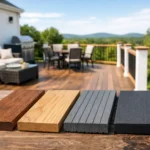
Natural wood provides warmth and character that manufactured materials work hard to replicate. Composite and PVC reduce recurring maintenance and offer consistently polished color options. Aluminum is exceptionally durable and performs well in wet environments, though its appearance is more specialized. Each has a place in a thoughtfully designed outdoor space.
Pressure-Treated Wood: Familiar and Budget-Conscious
Pressure-treated lumber remains a common decking choice because it is readily available, structurally dependable, and typically carries the lowest initial material cost. Its traditional appearance can be stained or painted to complement the home, and it works well for homeowners who appreciate the look and feel of real wood.
Its trade-off is upkeep. Wood expands, contracts, checks, and can develop splinters over time. It requires periodic cleaning and sealing or staining to help limit moisture damage and preserve its appearance. Boards may also fade unevenly in areas with heavy sun or dense shade. In Northern Virginia, where humid summers and wet leaf debris can encourage mildew, maintenance needs should be part of the budget from the beginning.
Pressure-treated decking can be an appropriate choice for a modest platform deck, a screened porch floor, or a project where a painted finish is central to the design. It is less ideal for homeowners seeking a low-maintenance luxury outdoor living space with minimal annual attention.
Cedar and Hardwood: Natural Beauty With Greater Commitment
Cedar offers a more refined natural appearance than pressure-treated pine, along with a lighter weight and inherent resistance to decay. Its warm tone and grain variation can be especially appealing for homes with traditional, craftsman, or rustic architectural details. Like all natural wood, however, cedar needs consistent protection from weathering.
Premium hardwoods such as ipe deliver remarkable density, rich color, and impressive resistance to insects and moisture. When properly installed, hardwood decking can create an elevated, furniture-like finish that feels distinctly luxurious. It is also more expensive to source and install, and its density makes specialized tools and experienced craftsmanship essential.
Both cedar and hardwood require owners to accept the natural aging process. Without regular oiling or refinishing, color will gradually soften to a weathered gray. Some homeowners find that patina attractive; others prefer a carefully maintained original tone. The material is exceptional when the goal is authentic wood character, but it is not a hands-off option.
Composite Decking: A Balanced Choice for Everyday Living
Composite decking combines wood fibers with recycled plastics and protective binders. Modern capped composite boards are a significant step forward from earlier generations, offering richer color variation, more convincing grain patterns, and improved stain and fade resistance. For busy households, composite often delivers the most balanced combination of appearance, performance, and reasonable maintenance.
A quality composite deck needs regular washing, but it does not require annual staining, painting, or sealing. That advantage is especially meaningful for families who would rather spend weekends entertaining, relaxing, or enjoying the yard than refinishing the deck. It is also a strong fit for spaces used by children and pets because it is generally resistant to splintering.
Composite is not entirely maintenance-free. Pollen, soil, food residue, and moisture can still accumulate, particularly beneath trees or near planters. Darker colors may become quite warm in direct summer sun, and the material can scratch or scuff if heavy furniture is dragged across it. Product quality matters as well. Capped boards generally provide better protection and color stability than uncapped options.
For many design-build projects, composite creates a premium, cohesive result without the long-term care demands of wood. It is particularly well suited to elevated decks, covered outdoor rooms, and family gathering spaces that see frequent use.
PVC Decking: Maximum Moisture Resistance
PVC decking is made without organic wood fibers, making it highly resistant to moisture, mold, and insect damage. It is a compelling option for decks near pools, hot tubs, shaded yards, and other settings where standing water or persistent humidity is a concern. Because it is lightweight and dense, PVC can also be easier to clean than many other surfaces.
The best PVC lines offer refined textures and varied colors, but the material can still have a more uniform, manufactured appearance than high-end composite or real wood. It may also carry a higher initial cost. As with composite, color selection matters. Deep tones absorb more heat, which can affect barefoot comfort on exposed decks.
Homeowners who prioritize moisture performance and minimal upkeep often find PVC worth the investment. A detailed design can help offset its more contemporary look through thoughtful railings, trim, lighting, and integration with stone, masonry, or a covered structure.
Aluminum Decking: Specialized Performance and Longevity
Aluminum decking is one of the most durable options available. It will not rot, warp, splinter, or attract insects, and many systems feature interlocking boards that channel water away from the deck surface. That drainage can be valuable on elevated decks where homeowners want a cleaner, drier patio below.
Its limitations are largely aesthetic and financial. Aluminum has a distinctly modern appearance and can feel less inviting than wood-look materials in some residential settings. Rain can also sound louder on aluminum than on composite or wood, although a covered ceiling below can help manage that concern. It tends to be a specialized choice for waterfront properties, high-moisture sites, rooftop applications, or homeowners focused on exceptional longevity.
Do Not Choose Decking Without Considering the Structure
The visible deck boards receive the attention, but the framing beneath them determines whether the finished space feels solid and remains safe. A new surface installed over aging or improperly spaced framing can create problems quickly. Board direction, joist spacing, drainage, flashing, fasteners, stair geometry, railing connections, and ledger attachment all deserve careful planning.
This is also where a tailored design makes a difference. Wider boards, picture-frame borders, contrasting inlays, concealed fasteners, integrated lighting, and coordinated railings can elevate a deck from a simple exterior platform to a true outdoor room. Material selection should support that larger vision rather than being made in isolation.
Which Deck Material Is Right for Your Home?
Choose pressure-treated wood when initial cost and a traditional painted or stained finish are the primary priorities, and you are comfortable with regular upkeep. Choose cedar or hardwood when authentic natural grain is nonnegotiable and you are willing to care for it accordingly. Choose capped composite when you want a refined, low-maintenance surface that performs well for everyday family life and entertaining.
PVC is often the better fit for high-moisture areas and homeowners who want the least possible concern about rot or mold. Aluminum makes sense when drainage, structural longevity, or a specialized site condition outweighs the desire for a conventional residential deck appearance.
The most successful choice aligns the deck with how you actually live. A quiet morning coffee terrace, a grilling area used several nights a week, and a large multi-level space for holiday gatherings place very different demands on materials. MasterWorks Remodeling approaches outdoor living projects with that broader perspective, helping homeowners pair premium finishes with craftsmanship that supports years of confident use.
Your deck should invite you outside more often. Select the material that makes that invitation easy to accept, season after season.