
A home’s siding has to do more than look polished from the curb. In Northern Virginia, it must stand up to humid summers, freeze-thaw cycles, wind-driven rain, strong sun exposure, and the occasional wayward baseball. When homeowners weigh fiber cement vs vinyl siding, the right choice often comes down to how they balance architectural character, long-term performance, maintenance preferences, and the overall investment they want to make in their home.
Both materials can improve an aging exterior dramatically. But they create different visual results, require different installation approaches, and serve different priorities. A thoughtful decision begins with understanding where each material excels – and where its trade-offs deserve careful attention.
Fiber Cement vs Vinyl Siding at a Glance
Vinyl siding is a manufactured plastic cladding, typically made from polyvinyl chloride. It is lightweight, economical, and available in a broad range of colors and profiles. It has been a familiar choice for American homes for decades, particularly for homeowners who want a clean exterior with limited routine upkeep.
Fiber cement siding is made from a blend of cement, sand, cellulose fibers, and water. It is designed to resemble painted wood siding, shingles, or panel systems while offering greater resistance to rot, insects, and fire. Its substantial feel and crisp detailing make it especially appealing for homes where architectural refinement is a priority.
Neither is automatically the better siding. Vinyl often makes sense when budget efficiency and low-maintenance ownership lead the decision. Fiber cement is frequently the stronger fit when a homeowner is planning a premium exterior transformation, wants a more authentic painted-wood appearance, or expects to remain in the home for many years.
Appearance and Architectural Flexibility
For many established homes in Fairfax, Chantilly, Vienna, and surrounding communities, appearance is the deciding factor. Siding covers a large portion of the home, so texture, scale, shadow lines, and trim integration all influence whether an exterior feels thoughtfully updated or simply replaced.
Fiber cement generally delivers a more convincing wood-grain appearance than vinyl. The boards have a flatter, more substantial profile, and they can be installed with details that complement traditional Colonial, Craftsman, farmhouse, and transitional homes. Smooth-panel fiber cement also works beautifully in more contemporary designs, particularly when paired with intentional trim, masonry, or natural wood accents.
Because fiber cement is painted, it provides significant color flexibility. Homeowners can select a refined custom palette rather than being limited to a manufacturer’s standard vinyl colors. When the time comes to refresh the exterior, fiber cement can be repainted instead of replaced.
Vinyl has improved considerably in appearance, with options that mimic wood grain, board-and-batten profiles, and wider horizontal planks. It can look attractive on the right home, especially when quality panels, coordinated trim, and professional installation are part of the plan. However, vinyl’s seams, panel overlap, and expansion gaps are often more visible up close. Dark vinyl colors can also be more vulnerable to heat-related movement, depending on the product and exposure.
Durability in Northern Virginia Weather
Both materials are designed for exterior use, but they respond to weather differently.
Fiber cement is valued for its stability. It does not rot, and it is not a food source for termites or wood-boring insects. It also performs well in the face of moisture when installed correctly, including proper flashing, clearances, caulking, and paint or factory finish maintenance. Its noncombustible composition can be a meaningful advantage for homeowners who prioritize fire resistance.
The material is not indestructible. Fiber cement can chip or crack if it receives a sharp impact, and it needs careful handling during installation. Its durability depends heavily on workmanship. Improper fastening, insufficient gaps around windows and rooflines, or neglected paint can allow moisture-related issues to develop over time.
Vinyl siding does not need painting and will not rot or attract insects. It sheds water effectively when installed with the appropriate weather-resistive barrier and flashing behind it. It also has enough flexibility to absorb many minor impacts without damage.
That flexibility has limits. In very cold weather, vinyl can become more brittle and may crack from a significant impact. High heat can cause panels to warp or distort, particularly near reflective windows or in intense sun. Vinyl can also loosen during severe wind events if it is not correctly secured. These concerns do not rule out vinyl, but they should be considered when evaluating the home’s exposure and surroundings.
Cost: Initial Budget and Long-Term Value
Vinyl is usually the more affordable option at installation. It is lighter, faster to install, and generally requires less specialized labor than fiber cement. For homeowners replacing siding across a large footprint or coordinating several exterior projects at once, that lower initial cost can create useful room in the budget for windows, roofing, gutters, exterior lighting, or landscaping.
Fiber cement typically carries a higher installed price because the material is heavier, cutting produces silica dust that requires proper safety practices, and installation demands greater precision. Detailed trim work, multiple elevations, repairs to underlying sheathing, and complex architectural features can add to the overall investment.
The better value is not always the least expensive option. A well-executed fiber cement exterior can elevate curb appeal and help a home feel more aligned with the premium finishes inside. That can matter for homeowners completing a broader renovation or preparing a property for a discerning resale market. Vinyl can offer excellent value as well when the goal is a durable, attractive refresh without the cost of a fully customized exterior design.
A clear, project-specific proposal is more useful than broad per-square-foot comparisons. The condition of the wall assembly, the amount of trim and repair work required, access around the home, and the selected siding profile all affect the final number.
Maintenance Requirements
Vinyl wins on routine maintenance. Most homes need occasional washing with a soft brush or low-pressure rinse to remove pollen, mildew, and surface dirt. The color is integral to the panel, so there is no repainting cycle. Homeowners should inspect for loose panels, cracks, or damage around penetrations, but ongoing care is relatively straightforward.
Fiber cement requires a more active maintenance plan. Factory-finished products can hold their color well, but painted surfaces will eventually need repainting based on exposure, finish quality, and local conditions. Caulked joints and trim should be inspected periodically, and any chips or damaged areas should be addressed promptly.
For homeowners who prefer a set-it-and-forget-it exterior, vinyl may be the more comfortable choice. For those who view repainting as an opportunity to renew the home’s character over time, fiber cement’s maintenance demands may feel entirely worthwhile.
Installation Quality Matters More Than Many Homeowners Realize
The most beautiful siding product cannot compensate for poor water management. Before new siding is installed, a qualified contractor should evaluate the condition of sheathing, housewrap, flashing, window and door transitions, trim, and areas where roofs meet walls. Siding replacement can reveal hidden damage around chimneys, decks, gutters, and aging window openings.
Fiber cement requires particularly exact installation practices because it is heavy and dimensionally stable. Vinyl requires its own expertise: panels must be nailed to allow movement with temperature changes rather than being fastened too tightly. In either case, the goal is an exterior system that directs water outward, accommodates material behavior, and integrates cleanly with the home’s existing architecture.
This is where a design-build perspective is valuable. Siding should not be treated as an isolated cosmetic layer. It should work with new trim, porch details, roofing, windows, paint colors, and outdoor living improvements to create a cohesive result.
How to Choose the Right Siding for Your Home
Choose fiber cement when architectural authenticity, premium curb appeal, design flexibility, and long-term exterior presence are your leading priorities. It is an especially compelling option for homeowners updating a traditional home, creating a more custom look, or investing in a high-end whole-home renovation.
Choose vinyl when you want dependable protection, a lower upfront investment, and minimal painting or maintenance. A high-quality vinyl product, installed with well-proportioned trim and careful attention to details, can create an attractive exterior that serves a home well for years.
It also does not have to be an all-or-nothing decision. Some homes benefit from mixed materials, such as fiber cement on prominent front elevations and vinyl on less visible areas, or fiber cement siding paired with masonry, engineered trim, or porch ceilings in natural wood. The best composition is one that respects the home’s architecture and your plans for it.
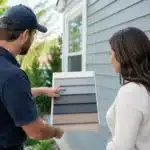
A siding decision is ultimately a decision about how you want your home to perform and how you want it to feel every time you arrive. Take time to compare real samples outdoors, look at completed homes from a comfortable viewing distance and up close, and choose the material that supports your vision with confidence for the years ahead.